
How Ready Is Your Board?
How would you rate your board's readiness?
Exceptionally ready and knowledgeable about their role
Well-intended, but they miss the mark
In the weeds
Not engaged
Not ready
We've heard from hundreds of executive directors over the years, and unfortunately, few describe their boards as falling into that top category (though some do). In fact, some executive directors tell us that after years of trying, they've given up on getting their boards appropriately engaged. That's understandable, but it's a missed opportunity.
A good starting point for assessing your board is to get clear on the criteria: ready for what? The labels commonly used to describe boards offer a partial answer to that question: a working board, a governance board, a fundraising board, and so on, each implying what the board should be good at.
But here's the thing: those labels are misleading. All boards carry the same governance responsibilities, and all boards have work to do. What changes is the focus of that work, which is shaped both by where an organization sits in its developmental stage (start-up, growth, maturity, decline, and renewal) and by the strengths the individual directors bring to the table. Board readiness means transitioning from a daily operational leader to a governing overseer. It requires mastering fiduciary duties, strategic risk management, and high-level alignment with the CEO/ED. A board's readiness isn't just about showing up or following the executive director's lead; it's about directors owning their role and stepping into the work the organization actually needs from them.
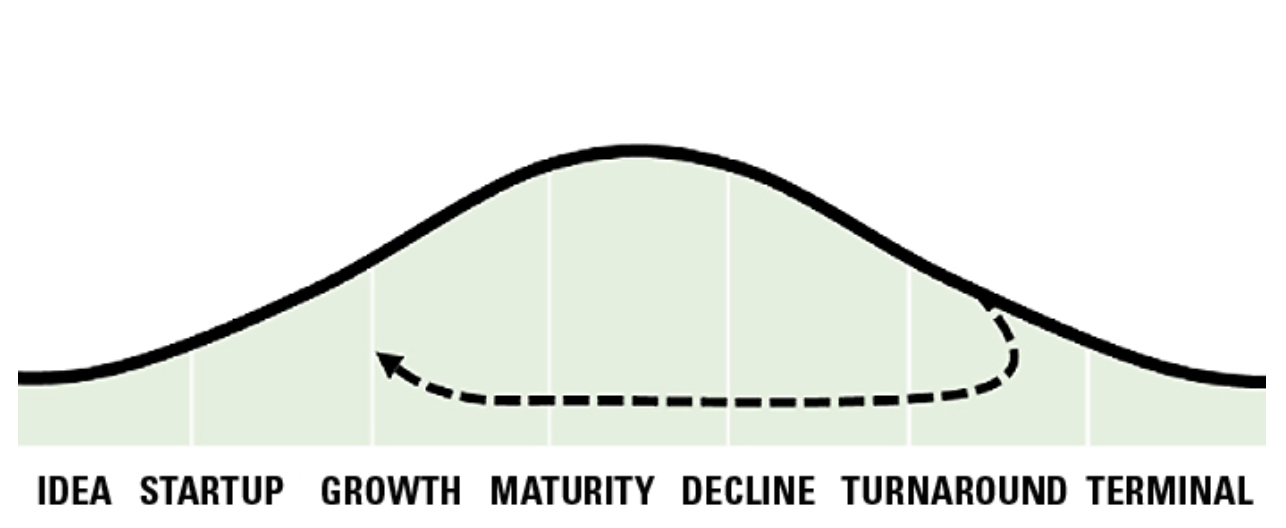
Organizational Lifecycle
Four Steps to Increasing Board Readiness
Identify your lifecycle stage and assess the strengths of your current board members. Knowing where your organization sits, whether start-up, growth, maturity, decline, or renewal, is the first step in determining what kind of readiness you need from your board.
Anticipate the next stage. Look ahead to how the organization will enter its next lifecycle stage and identify the tasks the board can take on to support that transition.
Recruit with intention. Build a board recruitment plan that focuses on onboarding members whose skills, interests, and strengths match the work ahead.
Build in accountability. Introduce mechanisms that help members hold each other and the organization accountable.
This may sound simple, or it may sound like a lot to take on. Managing this process alone is genuinely difficult for an executive director, and we understand that.
Where to Start
So, let's look at an effective starting point for moving your board's readiness needle toward the top:
The Readiness Audit: This simple tool helps your board assess its own readiness rating and identify areas to focus on to improve its rating. Click the link to download a copy of the Readiness Audit.
The Board Leadership Accelerator: Sign your board members up for this training opportunity, beginning this fall. This three-session virtual training sets board members up for success, helping your entire board move up the readiness scale.
We understand that board development work can sometimes feel burdensome and unproductive. It's possible to raise your board's readiness rating - and a ready, focused, engaged board can make a real difference in your organization's growth and long-term sustainability.
The Nonprofit Strategy Group partners with nonprofit boards to design and facilitate retreats that create lasting clarity, stronger relationships, and real strategic momentum. If your board is ready for a retreat that actually moves the needle,we'd love to talk.